
 Facebook
 X
 Pinterest
 Copy Link
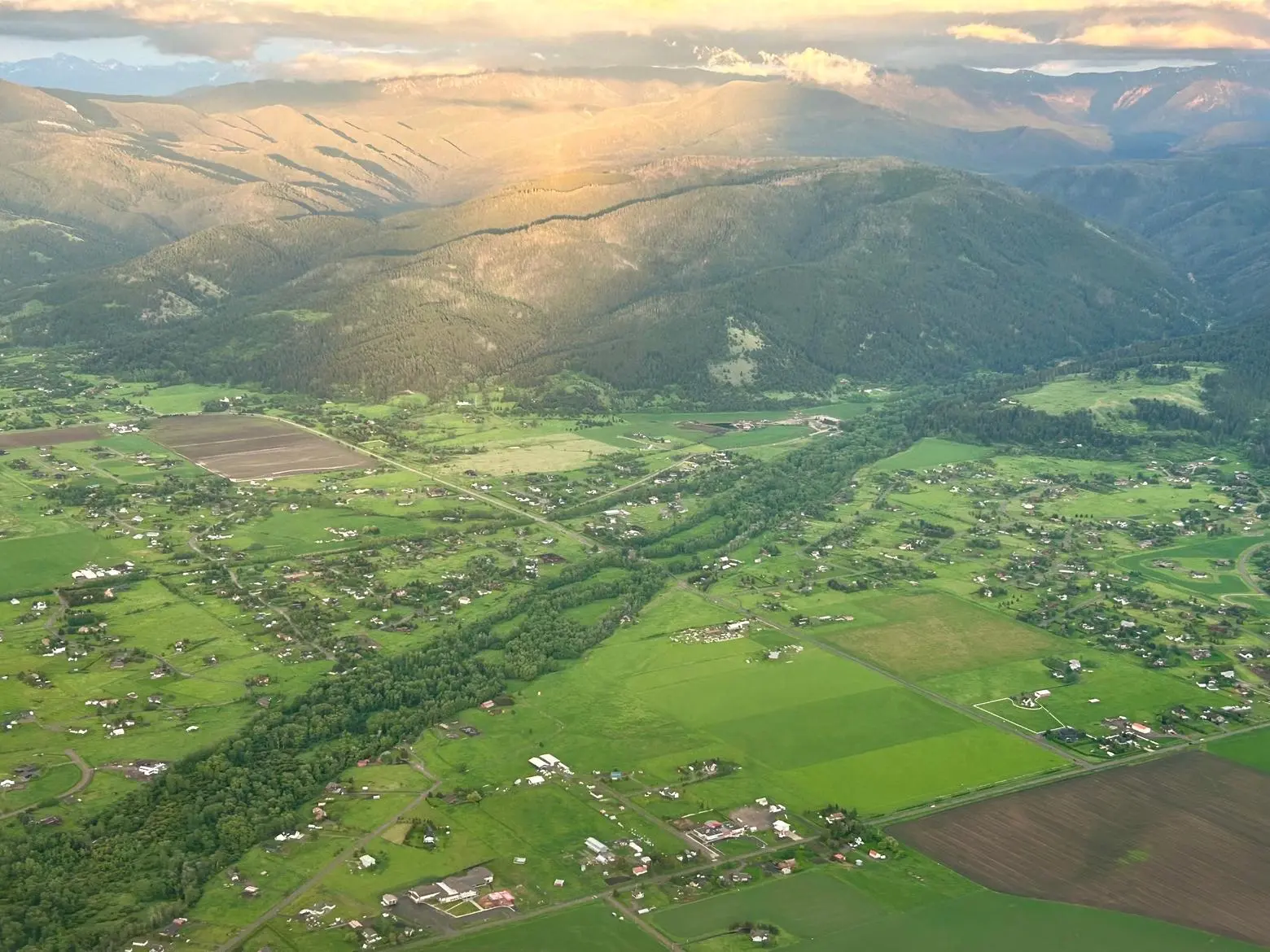
Buying a Home on Acreage in Gallatin County: 10 Things You Should Investigate Before Making an Offer
One of the things that attracts people to Gallatin County is the opportunity to own property with some space.
Maybe you’re looking for five acres outside Belgrade.
Maybe you want a home near Manhattan or Three Forks with room for a shop.
Or perhaps you’re relocating to Montana and looking for a rural property with mountain views and fewer neighbors.
Those can all be good reasons to consider acreage.
But buying rural property is different from purchasing a home in a typical subdivision.
When you buy a house in town, many of the services and infrastructure are already established.
With acreage, you may be responsible for systems and maintenance that aren’t immediately obvious during a showing.
Here are ten things I recommend investigating before purchasing a rural property in Gallatin County.
1. Understand the Water Supply
The first question is straightforward.
Where does the property’s water come from?
Some rural properties are served by public or community water systems.
Others rely on private wells.
If a property has a private well, I want to understand:
- Where the well is located
- Whether a well log is available
- The well’s reported depth
- Available production or yield information
- Pump and pressure-system condition
- Maintenance history
- Whether the water supply is shared
- Whether any agreements govern its use
A well’s existence doesn’t automatically tell us how much water it can reliably produce.
And an old well log isn’t a guarantee of current performance.
The Montana Bureau of Mines and Geology maintains the Ground Water Information Center, commonly called GWIC, which provides useful information about many Montana wells.
But a database record isn’t a substitute for evaluating the actual well serving the property.
Depending on the circumstances, buyers may want a qualified well professional to inspect the system and perform appropriate testing.
2. Test the Water Quality
Water quantity and water quality are two different issues.
A well may produce an adequate volume of water but still have water-quality concerns.
Private well owners are generally responsible for evaluating and maintaining the safety of their drinking water.
The Environmental Protection Agency recommends regular testing of private well water.
For a property purchase, I recommend discussing appropriate testing with a qualified laboratory or water professional.
Depending on the property, that may include testing for:
- Total coliform bacteria
- E. coli
- Nitrates
- Arsenic
- Other contaminants relevant to local conditions
Testing should be based on the specific water source and applicable recommendations.
A water softener or filtration system doesn’t automatically mean the water is safe.
And clear water isn’t necessarily safe drinking water.
My recommendation: Don’t assume the water is acceptable simply because the current owners have been using it.
Verify it.
3. Investigate the Septic System
Many rural homes in Gallatin County use private wastewater systems rather than municipal sewer service.
A septic system may include a tank, distribution components and a drainfield or other approved treatment arrangement.
Before purchasing, I want to understand:
- What type of system is installed?
- Where are the components located?
- When was it installed?
- Are permits and records available?
- What capacity was it designed for?
- Has it been maintained?
- When was the tank last pumped?
- Are there any known problems?
A septic system isn’t something buyers should evaluate solely by looking at the yard.
Underground components may not be visible.
I recommend obtaining available records and considering a qualified septic inspection.
If the property has been remodeled or bedrooms have been added, determine whether the wastewater system is appropriately permitted and suitable for the property’s use.
The Gallatin City-County Health Department and Montana Department of Environmental Quality provide information about onsite wastewater systems and applicable requirements.
4. Don’t Assume Water Rights Come With the Land
This is one of the most important Montana-specific issues.
Water rights are not the same thing as having a well.
They’re also not the same thing as owning land next to a creek.
Montana water rights are governed by a legal system that involves the right to use water for recognized beneficial purposes.
Depending on the property, water rights may relate to irrigation, stock water, domestic use or other authorized uses.
Before purchasing acreage, investigate:
- Whether any water rights are associated with the property
- What those rights authorize
- Whether the rights are properly documented
- Whether there are limitations or shared arrangements
- Whether any rights are being reserved or excluded from the sale
- Whether the intended use is permitted
The Montana Department of Natural Resources and Conservation maintains water-rights information and provides resources for researching claims and permits.
Water rights can be complicated.
For properties where water use is an important part of the purchase, a qualified Montana water-rights professional or attorney may be appropriate.
Don’t assume that a pond, ditch, creek or irrigated field automatically establishes the water rights you expect to receive.
5. Verify Legal Access
A property may have a driveway.
That doesn’t automatically mean every access question has been resolved.
For rural properties, I want to understand whether access is provided by:
- A public road
- A private road
- A recorded easement
- A shared driveway
- Another legally established arrangement
If access crosses another person’s land, review the applicable documents.
A recorded easement may establish certain rights, but its scope and terms matter.
For example, an easement might address access without clearly resolving every maintenance responsibility.
The title company and, when appropriate, a Montana real estate attorney can help identify documents that need review.
Practical access and legal access are related, but they aren’t the same thing.
Both matter.
6. Understand Road Maintenance and Snow Removal
This becomes especially important during Montana winters.
A long driveway may look manageable in July.
But how does it perform after a significant snowfall?
Before purchasing, determine:
- Who maintains the road?
- Who pays for snow removal?
- Is there a road maintenance agreement?
- Are costs shared?
- Is the road plowed regularly?
- Are there steep grades or difficult areas?
- Can emergency vehicles reasonably access the property?
If you’re buying a home on acreage outside Bozeman, Belgrade, Manhattan or Three Forks, road conditions can affect daily life.
They can also affect the cost of ownership.
Don’t assume the county maintains a road simply because it has a road name.
Verify maintenance responsibility.
7. Review Boundaries, Easements and Surveys
Acreage properties can have boundary questions that aren’t obvious during a showing.
Fences don’t necessarily establish legal property lines.
A driveway may cross a neighboring parcel.
Outbuildings may be close to a boundary.
And utilities may be located within recorded easements.
I recommend reviewing:
- Legal description
- Available surveys
- Recorded easements
- Title commitment
- Property maps
- Boundary-related concerns
Montana’s Cadastral system can be a useful starting point for researching parcel information.
But online parcel maps are not substitutes for a professional boundary survey.
If the exact location of a boundary is important to your intended use, consider hiring a licensed surveyor.
8. Understand Zoning, Covenants and Property Use
Buying acreage doesn’t automatically mean you can use it however you want.
Depending on the property’s location, there may be:
- Zoning requirements
- Subdivision covenants
- Building restrictions
- Setback requirements
- Easements
- HOA rules
- Sanitation restrictions
- Other land-use limitations
For example, you may want to:
- Build a shop
- Add a guest house
- Keep horses
- Construct another residence
- Operate a business
- Divide the property
- Install additional infrastructure
Before making plans, verify whether the intended use is allowed and what approvals may be required.
Don’t rely solely on a listing description or informal statement.
Check the applicable records and agencies.
9. Evaluate Utilities and Internet Service
Rural properties may have utility arrangements that differ significantly from homes in town.
Investigate:
- Electrical service
- Natural gas or propane
- Internet availability
- Cellular coverage
- Well pump electricity
- Backup power
- Utility easements
- Service to outbuildings
If you’re planning to work from home, internet reliability may be especially important.
Don’t assume a particular provider can serve the property just because service is available nearby.
Verify availability at the actual address.
If you plan to add a shop, guest house or other improvement, investigate utility capacity and potential connection costs.
Those expenses can be significant.
10. Understand the Full Cost of Owning Acreage
Acreage offers benefits.
But it can also create additional expenses.
Consider:
Driveway maintenance
Long driveways may require grading, gravel, snow removal or other work.
Fencing
Existing fences may need maintenance or replacement.
Weed management
Larger parcels may require ongoing vegetation management.
Well and septic systems
Private systems require maintenance and may eventually need significant repairs.
Outbuildings
Shops, barns and sheds create additional maintenance obligations.
Equipment
Depending on the property, you may need a tractor, snowblower, mower or other equipment.
Insurance
Coverage needs may differ based on outbuildings, property use, location and other risks.
Property taxes
Land classification and improvements may affect tax treatment.
The goal isn’t to discourage anyone from buying acreage.
It’s to understand the responsibilities before making the purchase.
What About Floodplains and Wildfire Risk?
These deserve attention too.
A property with a creek, river frontage or low-lying land may have floodplain considerations.
A property near forested or heavily vegetated areas may have elevated wildfire exposure.
Before purchasing, review available flood hazard information and discuss property-specific insurance availability and costs.
For some properties, additional professional evaluation may be appropriate.
These issues can affect financing, insurance, improvements and future use.
A Practical Acreage-Buying Checklist
Before making an offer, I recommend investigating:
- Water source and well information
- Water quality
- Septic system and permits
- Water rights
- Legal access
- Road maintenance and winter access
- Boundaries and easements
- Zoning, covenants and intended uses
- Utilities and internet
- Total ownership and maintenance expenses
Not every rural property will have the same concerns.
A five-acre home outside Belgrade may be very different from a larger agricultural property near Three Forks.
The investigation should match the property.
The Bottom Line
Buying acreage in Gallatin County can provide space, privacy and flexibility that are difficult to find in more developed areas.
But the purchase involves more than evaluating the house.
You need to understand the land.
The water.
The wastewater system.
The access.
The legal rights.
And the ongoing maintenance responsibilities.
A property doesn’t need to be perfect to be a good purchase.
But you should understand what you’re buying before closing.
If you’re considering acreage in Bozeman, Belgrade, Four Corners, Manhattan, Three Forks or elsewhere in Gallatin County, Your Home Team @ Windermere Real Estate can help you develop a property-specific due-diligence plan.
We’ll help identify the records to obtain, questions to ask and professionals who may need to be involved.
Contact our team to schedule an acreage buyer consultation.
Sources
Montana Bureau of Mines and Geology — Ground Water Information Center
Montana Department of Natural Resources and Conservation — Water Rights
Montana Department of Environmental Quality — Onsite Wastewater
Gallatin City-County Health Department — Environmental Health
Montana State Library — Montana Cadastral
U.S. Environmental Protection Agency — Private Drinking Water Wells
Market data is based on publicly available information and reflects general trends. Individual property performance may vary. For a personalized market analysis, contact me directly.
Water rights, well performance, water quality, septic suitability, access rights, boundaries and land-use permissions are property-specific. Buyers should obtain appropriate professional inspections, review recorded documents and independently verify intended uses with qualified professionals and responsible agencies. This article is general educational information, not legal or engineering advice.
