
 Facebook
 X
 Pinterest
 Copy Link
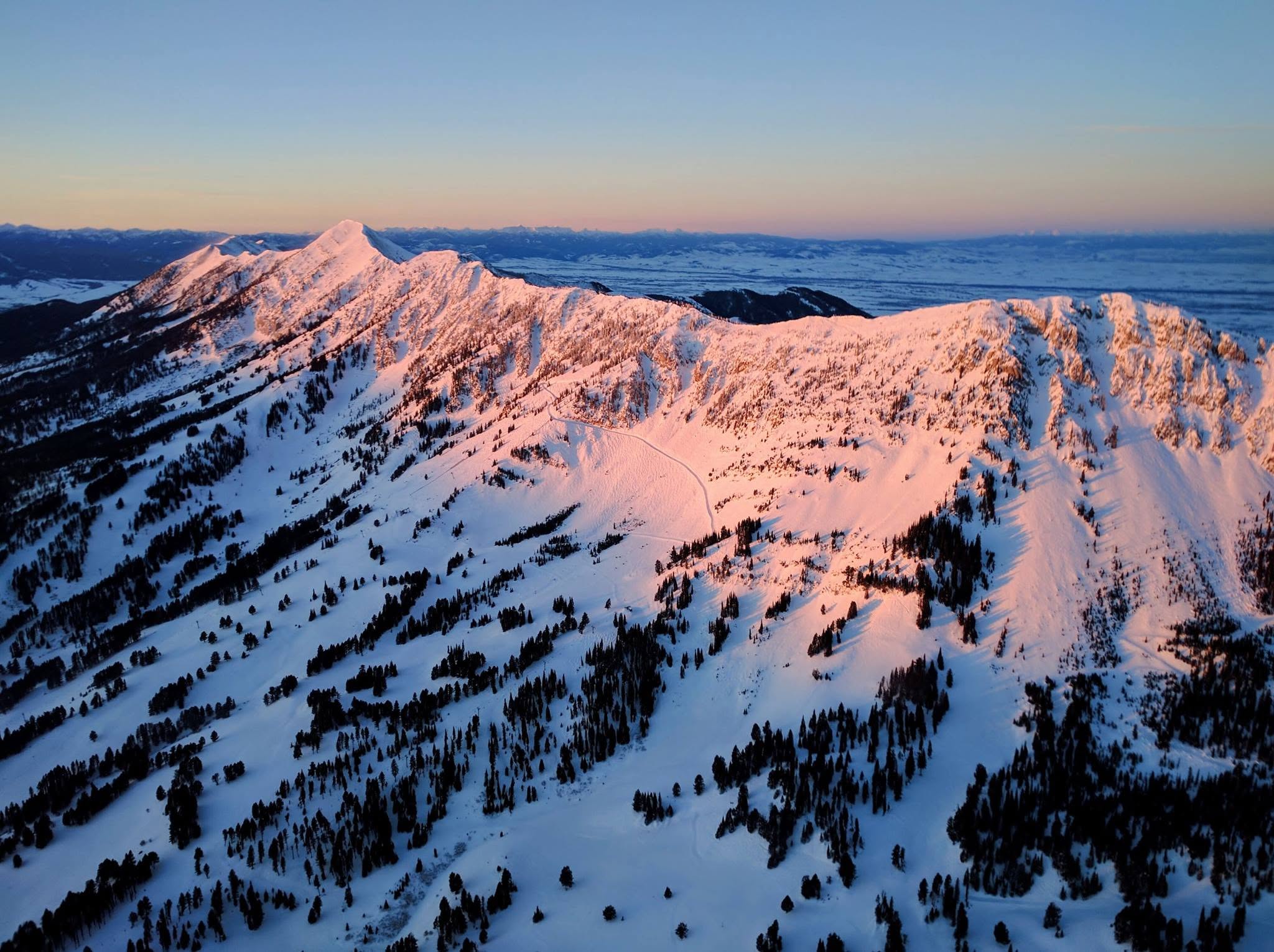
Selling a Home in Montana During Winter: What Sellers Should Know
If you’re considering selling your home in Gallatin County between November and March, you’ve probably heard some version of the same advice:
Wait until spring.
There’s some logic behind that recommendation.
Spring often brings more activity to the real estate market. Landscaping looks better, days are longer and moving is generally easier.
But that doesn’t automatically mean waiting is the right decision.
Homes still sell during winter.
And depending on your property, your competition and your reason for moving, listing during the colder months may make sense.
The important thing is understanding how winter changes the selling process.
Here’s what I recommend evaluating before putting your home on the market.
1. Understand That Winter Is a Different Market
Real estate activity changes throughout the year.
In Gallatin County, winter weather, holiday schedules and shorter daylight hours can influence how frequently buyers tour properties.
But seasonal changes affect both sides of the market.
Some buyers may postpone their search.
Some sellers may postpone listing.
That means fewer buyers don’t necessarily translate into a worse outcome for every seller.
The number and quality of competing listings matter too.
For example, if your home is one of only a few comparable properties available in a particular neighborhood and price range, that may be advantageous.
On the other hand, if several similar homes are competing for a small pool of buyers, pricing and presentation become particularly important.
My recommendation: Evaluate the competition in your specific market segment rather than assuming winter is automatically good or bad.
2. Price for the Market You’re Actually Entering
This is important in any season, but especially when buyer activity may be slower.
If you list your home in November, you need to understand what buyers are comparing it with in November.
Not what a neighbor sold for during the strongest part of the spring market.
A useful pricing analysis should consider:
- Recent comparable sales
- Active competing listings
- Pending sales, when information is available
- Property condition
- Location
- Price range
- Market time
- Current buyer activity
A common mistake is pricing a property high with the assumption that there’s plenty of time to reduce the price later.
But an unrealistic starting price can cost you valuable exposure to buyers who are actively searching.
Winter buyers may have fewer opportunities to tour homes, making the initial presentation and pricing particularly important.
The goal isn’t necessarily to be the cheapest property.
It’s to establish a price that makes sense relative to the available alternatives.
3. Snow Removal Is Part of Showing Preparation
This may seem obvious, but it’s one of the most important winter selling details in Montana.
Buyers need safe, practical access to the property.
Before showings, make sure appropriate areas are cleared, including:
- Driveways
- Walkways
- Front steps
- Main entrances
- Access to garages
- Other areas buyers are expected to inspect
Pay attention to ice as well as snow.
A driveway may look clear while still having hazardous patches.
For homes on acreage, access can require additional planning.
If the property has a long private driveway or shared road, understand who is responsible for maintenance and how it will be handled during the listing period.
A buyer shouldn’t have to struggle to reach the front door.
4. Keep the House Comfortable
Winter showings are different from summer showings.
When a buyer enters a home after being outside in cold weather, the interior environment makes an immediate impression.
A comfortable temperature helps buyers focus on the property.
But comfort isn’t just about turning up the thermostat.
Make sure the heating system is operating properly.
If maintenance is due, address it before listing.
Replace filters as appropriate.
Investigate unusual noises or inconsistent temperatures.
For vacant properties, maintaining appropriate heat is particularly important to reduce the risk of frozen plumbing.
The objective is simple:
Buyers should be able to experience the home as a functional, comfortable living space.
5. Lighting Matters More During Montana Winters
Gallatin County has significantly shorter daylight hours during winter.
That affects photography and showings.
A room that looks bright during a summer afternoon may feel different on a cloudy November day.
Before listing:
- Clean windows
- Replace burned-out bulbs
- Use consistent, appropriate lighting
- Open window coverings during daytime showings
- Make sure exterior lighting works
- Address unusually dark areas
Professional photography becomes particularly important.
Good photography should accurately represent the home while showing it at its best.
I also recommend scheduling photography when natural light is most favorable.
For some properties, that may mean planning around weather conditions rather than simply selecting the first available appointment.
6. Don’t Ignore Exterior Presentation
A common misconception is that curb appeal doesn’t matter when the landscaping is covered in snow.
It still matters.
Winter curb appeal simply looks different.
Focus on the elements buyers can see:
- Clean entryways
- Clear walkways
- Maintained siding and trim
- Functional exterior lighting
- Accessible parking
- Organized outdoor areas
- Clean windows
- Well-maintained visible structures
Remove unnecessary clutter from porches and entrances.
Store seasonal equipment neatly.
For rural properties, keep access to outbuildings and other important features practical when conditions allow.
You don’t need to make the property look like summer.
You need to show that it’s being maintained.
7. Winter Photography Requires Planning
Photographs are often the first showing.
Buyers may decide whether to schedule a tour based on what they see online.
During winter, photography can be more challenging because of:
- Snow-covered landscaping
- Shorter daylight hours
- Overcast conditions
- Limited visibility of exterior features
If you already have accurate photographs showing the property during warmer months, those may help illustrate features that are difficult to see under snow.
For example, summer photographs may show:
- Landscaping
- Patios
- Outdoor entertaining areas
- Gardens
- Irrigation features
- Driveway layout
- Yard boundaries
However, photographs should be accurately labeled when they represent a different season or previous condition.
Buyers should not be misled about the property’s current appearance.
A combination of current winter photographs and clearly identified seasonal photographs can be useful when appropriate.
8. Be Prepared for Weather-Related Showing Changes
Montana weather doesn’t always cooperate with a showing schedule.
Snowstorms, icy roads and travel conditions may cause buyers to reschedule.
That doesn’t necessarily indicate a lack of interest.
It may simply mean conditions aren’t safe.
I recommend having a practical showing plan.
For example:
- Who will clear snow?
- Who will check the property before showings?
- How much notice is needed?
- What happens during a major storm?
- Can showings be rescheduled promptly?
- Who monitors the property if it’s vacant?
Flexibility helps.
But sellers should also establish reasonable expectations for access.
9. Vacant Homes Require Additional Attention
If you’ve already moved out, winter maintenance becomes especially important.
A vacant property may need regular checks to confirm that heating and other systems are operating.
Consider:
- Maintaining adequate heat
- Monitoring plumbing risks
- Arranging snow removal
- Checking for leaks or damage
- Confirming insurance requirements for vacancy
- Keeping utilities active as required
- Arranging property checks
Insurance coverage can change depending on occupancy and policy terms.
Before leaving a property vacant, discuss the situation with your insurance professional.
Don’t assume the policy treats a vacant home exactly like an occupied one.
10. Think About the Inspection Process
Winter can affect what inspectors can observe.
Snow cover may limit access to certain exterior components.
Roof surfaces, grading, landscaping and some drainage features may be difficult to evaluate fully.
That doesn’t necessarily prevent a transaction.
But buyers and sellers should understand the limitations.
A qualified inspector may identify areas that couldn’t be fully examined.
Depending on the purchase agreement and circumstances, the parties may need to discuss additional information, specialized evaluations or other appropriate arrangements.
I recommend preparing available documentation before listing.
Examples include:
- Roof replacement records
- HVAC service history
- Well and septic records
- Prior repair invoices
- Permits for major improvements
- HOA information
Documentation doesn’t replace an inspection, but it can help answer legitimate questions.
11. Rural Properties Need a Different Winter Plan
Selling a home on acreage outside Bozeman, Belgrade, Manhattan or Three Forks can involve additional considerations.
Buyers may want to evaluate:
- Private road access
- Snow removal responsibilities
- Outbuildings
- Wells and septic systems
- Fencing
- Irrigation
- Land characteristics
- Utilities
- Driveway maintenance
Some features may be difficult to inspect under snow.
That makes accurate records, maps, photographs and property-specific information more valuable.
For example, if a property has an irrigation system, documentation showing its configuration and maintenance history may be helpful.
If there’s a private road agreement, make it available for review.
If the property includes substantial acreage, a survey or other appropriate property information may help buyers understand boundaries and improvements.
The objective is to reduce uncertainty.
12. Winter Buyers May Have Specific Timelines
Not every buyer wants to wait until spring.
Some people are relocating for employment.
Others have sold another property.
Some are purchasing because of family changes or other personal circumstances.
And some buyers simply prefer to purchase when there may be less competition.
It’s reasonable to expect that winter schedules may reduce overall activity.
But I wouldn’t assume every winter buyer is less serious.
The important thing is understanding what a particular buyer needs and whether the property is a good fit.
13. Should You Wait Until Spring Instead?
Sometimes waiting is the better decision.
For example, if your property needs significant exterior work that cannot reasonably be completed during winter, waiting may improve its presentation.
If you have extensive landscaping or outdoor amenities, spring photographs and showings may help buyers appreciate those features.
Or perhaps you simply need more time to prepare.
Those are legitimate reasons to wait.
But waiting also has costs and uncertainties.
You may continue paying:
- Mortgage expenses
- Property taxes
- Insurance
- Utilities
- Maintenance
- HOA dues, if applicable
You also don’t know exactly what mortgage rates, buyer demand or competing inventory will look like in spring.
Rather than assuming one season will produce a better result, I recommend comparing the two scenarios.
14. A Practical Winter Listing Checklist
Before putting your home on the market, I recommend:
- Reviewing comparable sales and current competition.
- Establishing a realistic listing price.
- Servicing the heating system if needed.
- Addressing obvious maintenance issues.
- Preparing safe driveway and walkway access.
- Improving interior and exterior lighting.
- Scheduling professional photography.
- Gathering property records and maintenance information.
- Developing a showing and snow-removal plan.
- Reviewing the estimated net proceeds and your next housing plans.
Not every property requires the same preparation.
A condominium in Bozeman may have different needs than a detached home in Belgrade or a rural property on acreage.
The strategy should reflect the property.
The Bottom Line
Winter doesn’t automatically make it a bad time to sell a home in Gallatin County.
But it does require a different approach.
Pricing needs to reflect current competition.
Showings require planning around weather and access.
Property maintenance becomes especially important.
And photography needs to account for shorter days and seasonal conditions.
For some sellers, listing during winter may make sense.
For others, waiting until spring may be the better choice.
The right answer depends on the property, market segment and your goals.
If you’re considering selling in Bozeman, Belgrade, Four Corners or elsewhere in Gallatin County, Your Home Team @ Windermere Real Estate can help you evaluate both options.
We’ll review the current competition, identify preparation needs and develop a listing strategy based on your property.
Contact our team to schedule a winter listing consultation.
Sources
National Association of REALTORS® — Consumer Guide to Selling a Home
National Association of REALTORS® — Preparing to Sell
U.S. Department of Energy — Home Heating and Weatherization
Insurance Information Institute — Homeowners Insurance and Vacancy Considerations
Market data is based on publicly available information and reflects general trends. Individual property performance may vary. For a personalized market analysis, contact me directly.
Seasonal market conditions, property maintenance requirements, insurance coverage and inspection limitations vary. Sellers should consult qualified professionals regarding property-specific concerns and contractual obligations.
