Uncategorized June 29, 2026

What Makes a Neighborhood Hold Value Long-Term in Gallatin County?

What Makes a Neighborhood Hold Value Long-Term in Gallatin County?

When buyers search for homes, it’s easy to focus on the property itself:

  • Square footage
  • Finishes
  • Layout
  • Views
  • Price

But over the long term, one factor usually matters more than almost anything else:

Location.

More specifically:
How well the neighborhood holds value over time.

In Gallatin County, some areas consistently remain desirable through changing markets, while others fluctuate more dramatically.

Understanding what drives long-term neighborhood value can help buyers make smarter decisions — especially if they plan to own the property for several years.


Desirability Usually Drives Long-Term Value

Neighborhood value is heavily influenced by demand.

Areas that consistently attract buyers tend to hold value more effectively over time.

That demand is often tied to things like:

  • Commute convenience
  • Access to recreation
  • School proximity
  • Community feel
  • Walkability
  • Views and open space
  • Limited housing supply

The more consistently people want to live somewhere, the more resilient those neighborhoods often become.


Lifestyle Matters More Than Many Buyers Expect

One reason certain neighborhoods outperform others long-term is because they support daily lifestyle patterns well.

Buyers tend to value:

  • Shorter commutes
  • Easy access to trails and recreation
  • Nearby restaurants or amenities
  • Functional daily routines
  • Community connection

Even if market conditions change, areas with strong lifestyle appeal often maintain buyer interest.

In Gallatin County, lifestyle is one of the biggest long-term value drivers.


Inventory Constraints Can Strengthen Value

Neighborhoods with limited future development opportunities often behave differently over time.

For example:

  • Established in-town neighborhoods
  • Areas near recreation access
  • Communities with limited land availability

May see stronger long-term demand simply because there are fewer opportunities to create additional comparable housing nearby.

Scarcity matters.


Schools Influence Buyer Demand

Even buyers without children often underestimate how much school districts influence housing demand.

Strong school reputations can:

  • Expand the future buyer pool
  • Increase long-term desirability
  • Improve market stability during slower cycles

This doesn’t mean every buyer prioritizes schools the same way — but they often affect resale demand more than people realize.


Neighborhood Consistency Matters

Buyers often pay attention to:

  • Property upkeep
  • Pride of ownership
  • Consistent neighborhood appearance
  • Long-term maintenance trends

Areas where homes are consistently maintained tend to create stronger buyer confidence.

That consistency can support value over time.


New Construction vs Established Neighborhoods

Newer developments and established neighborhoods each have strengths.

Newer areas may offer:

  • Modern layouts
  • Updated infrastructure
  • Newer homes

Established neighborhoods may offer:

  • Mature landscaping
  • Larger lots
  • Stronger community identity
  • More predictable long-term character

Neither is automatically better.

The key is understanding what drives future demand in each area.


Buyers Should Think Beyond Today

A common mistake is evaluating homes only based on current personal needs.

Smart buyers also ask:

  • Will this location remain desirable long-term?
  • What will future buyers value here?
  • How flexible is this property if life changes later?

Thinking ahead often leads to stronger long-term decisions.


Gallatin County Has Unique Long-Term Demand Drivers

Gallatin County continues attracting buyers because of:

  • Outdoor recreation
  • Lifestyle appeal
  • Employment growth
  • University influence
  • Limited supply in certain areas

That doesn’t mean every neighborhood performs identically.

But understanding these broader trends helps explain why some locations consistently remain strong over time.


The Bottom Line

The home matters.

But long-term value is often driven even more by:

  • Location
  • Lifestyle
  • Scarcity
  • Community appeal
  • Buyer demand over time

In Gallatin County, neighborhoods that align with how people want to live tend to remain desirable across many market cycles.

If you’d like, I can help break down which areas may best fit your goals, lifestyle, and long-term plans.


Sources & Local Market Data


Market data is based on publicly available information and reflects general trends. Individual property performance may vary. For a personalized market analysis, contact me directly.

Uncategorized June 25, 2026

Using Equity from Your Current Home to Buy the Next One in Gallatin County

Using Equity from Your Current Home to Buy the Next One in Gallatin County

Many homeowners assume they need to save a completely new down payment before buying another home.

In reality, a large number of buyers use equity from their current property to help purchase the next one.

This is especially common in Gallatin County, where many homeowners have built substantial equity over the past several years.

Understanding how equity works — and how it can be used strategically — can open up far more flexibility than many people realize.


What Home Equity Actually Is

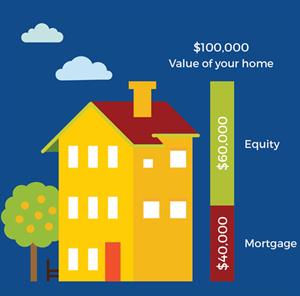
Home equity is the difference between:

  • Your home’s current market value
  • Your remaining mortgage balance

For example:

If your home is worth $800,000
and you owe $450,000

You may have approximately $350,000 in equity before selling costs.

That equity becomes a financial tool that can potentially be used toward:

  • A down payment
  • Buying power
  • Lower monthly payments
  • Transitioning into a different property type

The Most Common Way Equity Gets Used

The most straightforward method is through the sale of the current home.

In this scenario:

  1. The current home sells
  2. Mortgage payoff occurs
  3. Remaining proceeds become available for the next purchase

This is how many move-up buyers fund:

  • Larger homes
  • Different neighborhoods
  • Acreage properties
  • Relocation moves

For many homeowners, the equity they already have becomes the bridge to the next stage of life.


Buying and Selling Simultaneously Is Extremely Common

One concern homeowners often have is:

“How do I buy another home if my equity is tied up in the current one?”

The answer is that simultaneous transactions happen all the time.

Common solutions include:

  • Home sale contingencies
  • Flexible closing timelines
  • Rent-back agreements
  • Bridge financing in certain situations

Most homeowners are not choosing between buying or selling first.

They’re coordinating both together strategically.


Equity Can Improve Affordability

Using equity toward the next purchase can help:

  • Reduce loan size
  • Lower monthly payments
  • Improve loan qualification
  • Avoid private mortgage insurance (PMI) in some cases

This flexibility is one reason many long-term homeowners are in stronger positions than they initially realize.


Some Buyers Keep the Current Home Instead

In certain situations, homeowners choose to:

  • Keep the current property
  • Convert it into a rental
  • Use accumulated equity differently

This depends heavily on:

  • Debt-to-income ratios
  • Financing qualifications
  • Cash reserves
  • Long-term goals

For some homeowners, retaining the first property can become part of a long-term wealth-building strategy.


Gallatin County Creates Unique Equity Opportunities

Because Gallatin County has experienced long-term demand growth, many homeowners here have built meaningful equity positions over time.

That creates flexibility for:

  • Move-up purchases
  • Lifestyle changes
  • Investment opportunities
  • Relocation transitions

At the same time, inventory and pricing still require careful planning.

The key is understanding your actual numbers before making assumptions.


The Biggest Mistake Homeowners Make

Many people underestimate:

  • Their current equity position
  • Their buying power
  • Their available options

As a result, they delay conversations unnecessarily.

In reality, even a simple equity review can often create much more clarity about what’s possible.


The Bottom Line

Home equity is more than just a number on paper.

For many Gallatin County homeowners, it becomes the foundation for the next move.

Whether you plan to:

  • Buy a larger home
  • Downsize
  • Relocate
  • Invest
  • Or simply explore options

Understanding your equity position is one of the smartest places to start.

If you’d like, I can help estimate your current equity position and walk through what it could realistically mean for your next purchase.


Sources & Local Market Data


Market data is based on publicly available information and reflects general trends. Individual property performance may vary. For a personalized market analysis, contact me directly.

Uncategorized June 15, 2026

How Much Does It Actually Cost to Sell a Home in Gallatin County?

How Much Does It Actually Cost to Sell a Home in Gallatin County?

One of the biggest misconceptions many homeowners have is:

“If I sell my home for a certain price, that’s how much money I walk away with.”

In reality, selling a home involves several costs that affect your final net proceeds.

Some are expected.
Others surprise sellers.

The good news is that most selling costs are predictable when planned properly.

If you’re considering selling in Gallatin County, understanding these costs ahead of time can help you make much more confident financial decisions.


Real Estate Commission

One of the largest selling expenses is typically real estate commission.

Commission structures vary depending on:

  • Brokerage agreements
  • Services provided
  • Marketing strategy
  • Transaction complexity

This cost generally covers:

  • Marketing
  • Professional photography
  • MLS exposure
  • Negotiation
  • Transaction coordination
  • Buyer agent compensation
  • Guidance throughout the process

While commission is often the most visible expense, it’s important to evaluate value and strategy — not just percentage.


Title & Closing Costs

Sellers also typically pay certain title and closing-related fees.

These may include:

  • Title insurance contributions
  • Escrow fees
  • Recording fees
  • Settlement charges

Costs vary depending on:

  • Sale price
  • Transaction structure
  • Local practices

Your title company and agent usually help estimate these early in the process.


Mortgage Payoff

If you still have a mortgage, the remaining loan balance will be paid off at closing.

This amount comes directly out of your proceeds.

Some sellers are surprised by:

  • Remaining principal balance
  • Interest timing
  • Loan payoff fees in certain situations

Reviewing payoff estimates early can help avoid surprises later.


Repairs & Preparation Costs

Many sellers invest some money upfront to improve presentation before listing.

Common examples include:

  • Paint touch-ups
  • Landscaping
  • Cleaning
  • Minor repairs
  • Carpet cleaning
  • Staging or decluttering

Not every home requires significant work.

The goal is usually to improve buyer perception and overall marketability — not necessarily fully renovate the property.


Buyer Concessions & Negotiations

Depending on market conditions, sellers may also negotiate:

  • Closing cost credits
  • Repair concessions
  • Interest rate buy-down contributions
  • Inspection-related adjustments

In more balanced markets, these negotiations are more common than they were during peak seller-market conditions.

This is one reason pricing strategy matters so much.


Capital Gains Taxes (Sometimes)

Some homeowners may also need to evaluate potential capital gains taxes.

However, many primary homeowners qualify for significant exclusions if:

  • The home was their primary residence
  • They meet ownership and occupancy requirements

Tax situations vary significantly, so sellers should consult a qualified tax professional for personalized guidance.


Why Net Proceeds Matter More Than Sale Price

The highest sale price does not always create the best outcome.

For example:

  • A slightly lower offer with fewer concessions may net more
  • Stronger terms may reduce carrying costs
  • Faster closings may improve overall financial position

This is why experienced sellers focus on:
net proceeds, not just headline numbers.


The Bottom Line

Selling a home in Gallatin County involves more than simply choosing a list price.

Understanding:

  • Closing costs
  • Mortgage payoff
  • Preparation expenses
  • Negotiation variables

Can help you plan much more confidently.

The good news is that most costs are predictable when evaluated upfront.

If you’re curious what selling might realistically look like for your property, I’m always happy to help estimate potential net proceeds based on current market conditions.


Sources & Local Market Data


Market data is based on publicly available information and reflects general trends. Individual property performance may vary. For a personalized market analysis, contact me directly.

Uncategorized June 10, 2026

Common Summer Real Estate Myths in Gallatin County

Common Summer Real Estate Myths in Gallatin County

Summer is one of the busiest times of year for real estate in Gallatin County.

More listings hit the market.
More buyers start searching.
More people relocate before fall.

And with all that activity comes a lot of assumptions.

Some are true.
Many aren’t.

Let’s break down some of the most common summer real estate myths buyers and sellers hear — and what’s actually happening in today’s market.


Myth #1 — “Summer Is Always the Best Time to Sell”

Summer can absolutely be a strong time to sell.

But “best” depends on:

  • Inventory levels
  • Competition
  • Pricing strategy
  • Property type
  • Buyer demand in your price range

One challenge sellers face in summer is increased competition.

As more homes hit the market, buyers have more options to compare.

That means strategic pricing and presentation matter even more.

Sometimes homes listed slightly before or after peak summer competition actually perform better.


Myth #2 — “Buyers Should Wait Until Fall for Better Deals”

Some buyers assume waiting until later in the year automatically means lower prices.

That isn’t always how Gallatin County works.

In reality:

  • Inventory may shrink in fall
  • Desirable homes may still move quickly
  • Competition can remain strong in certain price ranges

While some sellers become more flexible later in the season, buyers may also have fewer choices available.

The better question is usually:
“Does the current inventory include homes that fit my goals?”


Myth #3 — “Every Home Gets Multiple Offers in Summer”

While some homes still receive strong competition, not every listing turns into a bidding war.

Today’s buyers are much more selective than they were during the peak frenzy years.

Homes typically receive the strongest activity when they:

  • Are priced correctly
  • Show well
  • Align with buyer expectations
  • Stand out from competing inventory

Other homes may sit longer than sellers expect.


Myth #4 — “You Don’t Need to Prepare Your Home in Summer”

Some sellers believe summer demand alone will carry the listing.

But buyers still notice:

  • Cleanliness
  • Presentation
  • Landscaping
  • Maintenance
  • Photography quality

Summer often amplifies curb appeal — both positively and negatively.

Homes that feel cared for tend to stand out much more.


Myth #5 — “Rates Matter Less in Summer”

Mortgage rates influence affordability year-round.

Even during active summer markets, buyers continue paying close attention to:

  • Monthly payments
  • Interest rates
  • Insurance costs
  • Taxes
  • Overall affordability

That means pricing strategy and payment expectations still matter significantly.


Myth #6 — “Summer Buyers Are Always Serious”

Summer brings motivated buyers — but it also brings casual shoppers.

Some people are:

  • Just browsing during vacation trips
  • Exploring relocation possibilities
  • Comparing neighborhoods
  • Gathering information for future moves

That’s why sellers should focus on overall positioning rather than assuming every showing automatically leads to an offer.


What Actually Matters Most in Summer

Despite all the seasonal myths, the same fundamentals usually matter most:

For sellers:

  • Pricing
  • Presentation
  • Strategy

For buyers:

  • Preparation
  • Financial clarity
  • Long-term fit

The season can influence activity, but fundamentals still drive results.


The Bottom Line

Summer is active — but it’s not magic.

Gallatin County buyers and sellers still succeed based on:

  • Smart preparation
  • Realistic expectations
  • Strong positioning
  • Understanding current market conditions

The strongest decisions usually come from local strategy — not seasonal assumptions.

If you’re planning to buy or sell this summer, understanding the realities of today’s market can help you move much more confidently.


Sources & Local Market Data


Market data is based on publicly available information and reflects general trends. Individual property performance may vary. For a personalized market analysis, contact me directly.
Uncategorized June 3, 2026

How Home Appraisals Actually Work

How Home Appraisals Actually Work

Few parts of a real estate transaction create more confusion than the appraisal.

Buyers worry the home won’t appraise.
Sellers worry the value will come in low.
And many people assume the appraisal is simply “someone’s opinion.”

In reality, appraisals follow a fairly structured process designed to help lenders evaluate risk and market value.

If you’re buying or selling in Gallatin County, understanding how appraisals actually work can make the process feel much less stressful.


What an Appraisal Actually Is

An appraisal is a professional opinion of a property’s market value performed by a licensed appraiser.

Lenders typically require an appraisal anytime financing is involved because they want to confirm the property supports the loan amount.

The appraiser’s job is not to:

  • Help the buyer
  • Help the seller
  • “Hit the number”

Their job is to evaluate market data and provide an objective value opinion.


What Appraisers Look At

Appraisers evaluate multiple factors, including:

  • Recent comparable sales (“comps”)
  • Home size and layout
  • Condition and upgrades
  • Lot size
  • Location
  • Age of the property
  • Functional utility
  • Market trends

They also compare your home against similar recently sold properties nearby whenever possible.

The key word is comparable.


Why Comparable Sales Matter So Much

Appraisals are heavily influenced by recent sales data.

That means:

  • Active listings matter less
  • Seller expectations matter less
  • Online estimates matter less

Closed sales carry the most weight because they represent actual market behavior.

In changing markets, this can create tension when:

  • Prices are rising quickly
  • Inventory is limited
  • Unique properties have few direct comparisons

This is especially relevant in parts of Gallatin County where property types vary significantly.


Unique Properties Can Be More Challenging

Gallatin County has a wide mix of homes:

  • Rural acreage properties
  • Luxury homes
  • New construction
  • Condos and townhomes
  • Custom homes
  • Older cabins and unique properties

The more unique a property is, the harder it can be to find truly comparable sales.

That doesn’t mean the appraisal will automatically come in low — but it can increase complexity.


What Happens If the Appraisal Comes in Low?

A low appraisal doesn’t automatically kill a transaction.

Common solutions may include:

  • Renegotiating the purchase price
  • Buyer bringing additional cash
  • Challenging the appraisal with additional comparable sales
  • Meeting somewhere in the middle

Every situation is different.

The important thing is staying calm and evaluating options logically rather than emotionally.


Buyers and Sellers Often Misunderstand Appraisals

One common misconception is:
“If a buyer is willing to pay it, that automatically becomes market value.”

Not necessarily.

Another misconception is:
“A low appraisal means the home isn’t worth the price.”

Also not necessarily.

Appraisals are based on historical market data — not future appreciation or emotional value.


Preparation Can Help

Sellers can help the process by:

  • Providing upgrade lists
  • Offering relevant property information
  • Ensuring the home is clean and accessible
  • Highlighting unique features the appraiser may not immediately notice

Buyers benefit from understanding upfront that appraisal is simply one step in the lending process — not a personal judgment on the home.


The Bottom Line

Appraisals are an important part of most real estate transactions, but they’re often less mysterious than people assume.

In Gallatin County, appraisals can become more nuanced because of:

  • Unique property types
  • Limited comparable sales
  • Changing inventory conditions

The key is understanding the process and approaching it with realistic expectations.

If you’re buying or selling and want to better understand how appraisals may affect your specific situation, I’m always happy to walk through it with you.


Sources & Local Market Data


Market data is based on publicly available information and reflects general trends. Individual property performance may vary. For a personalized market analysis, contact me directly.

Uncategorized May 26, 2026

What Out-of-State Buyers Often Get Wrong About Moving to Gallatin County

What Out-of-State Buyers Often Get Wrong About Moving to Gallatin County

Gallatin County continues to attract buyers from across the country.

People move here for:

  • Outdoor access
  • Lifestyle
  • Scenery
  • Community
  • Space
  • Recreation

And for many, the move ends up being a great decision.

But relocation buyers are often surprised by aspects of the market — and the lifestyle — that aren’t obvious from online searches or short visits.

If you’re considering a move to Gallatin County, understanding these realities upfront can help you make a much more informed decision.


Gallatin County Is Bigger Than Many Buyers Realize

A lot of buyers initially think of the area as simply “Bozeman.”

But Gallatin County includes very different communities and lifestyles, including:

  • Bozeman
  • Belgrade
  • Four Corners
  • Manhattan
  • Livingston (nearby influence)
  • Big Sky
  • Rural properties throughout the valley

Each area offers different:

  • Commute patterns
  • Price points
  • School access
  • Property types
  • Pace of life

The right fit depends heavily on how you actually want to live day-to-day.


Winter Impacts Daily Life More Than Many Expect

People visit in summer and fall — but winter changes things.

Driving conditions, snow removal, daylight hours, and commuting patterns can all affect lifestyle significantly.

This especially matters for:

  • Rural properties
  • Canyon commutes
  • Long driveways
  • Homes outside major corridors

Many buyers ultimately love the seasons here — but it’s important to understand the reality, not just the postcard version.


Land Comes with Responsibility

A lot of relocation buyers want acreage.

And understandably so.

But larger properties often involve:

  • Septic systems
  • Wells
  • Snow removal
  • Gravel roads
  • Irrigation
  • Wildlife considerations
  • Longer maintenance lists

For some buyers, that’s part of the dream.

For others, it becomes more work than expected.

Understanding the lifestyle tradeoff matters.


“Close” Is Relative Here

Buyers relocating from larger metro areas often view Gallatin County differently in terms of distance.

A 20–30 minute drive may feel completely normal to locals.

But depending on weather and traffic patterns, commuting expectations can change quickly.

That’s why buyers should think carefully about:

  • Daily routines
  • School drop-offs
  • Grocery access
  • Recreation habits
  • Winter travel

Lifestyle logistics matter more than they appear during a short visit.


Inventory Can Move Quickly in Certain Price Ranges

Some relocation buyers expect extended negotiation timelines.

But desirable homes in certain price points and neighborhoods can still move quickly.

Especially:

  • Well-priced homes
  • Move-in ready properties
  • Homes with views or unique features
  • Newer construction in strong locations

Preparation matters — especially if you’re traveling in for limited home tours.


The Lifestyle Is the Real Value

Many buyers initially focus heavily on square footage or finishes.

But after living here, most people realize the real value is:

  • Access to outdoors
  • Pace of life
  • Community feel
  • Recreation opportunities
  • Long-term lifestyle quality

That’s what keeps many people here long-term.


The Bottom Line

Gallatin County offers an incredible lifestyle — but it’s important to understand the realities along with the highlights.

The best relocation decisions happen when buyers:

  • Understand local lifestyle differences
  • Explore multiple areas
  • Think beyond the home itself
  • Plan around long-term routines and goals

For many people, moving here ends up being one of the best decisions they make.

The key is making the move with clear expectations.

If you’d like, I can help break down the differences between specific areas and property types based on how you actually want to live.


Sources & Local Market Data


Market data is based on publicly available information and reflects general trends. Individual property performance may vary. For a personalized market analysis, contact me directly.
Uncategorized May 18, 2026

How Home Sale Contingencies Actually Work in Gallatin County

How Home Sale Contingencies Actually Work in Gallatin County

One of the biggest concerns homeowners have when planning a move is:

“What happens if I need to buy and sell at the same time?”

That concern is completely normal.

In reality, many homeowners in Gallatin County don’t sell first or buy first.

They do both simultaneously using a home sale contingency strategy.

And while contingent transactions can sound complicated, they’re actually very common when handled correctly.

Let’s break down how they work and what buyers and sellers should realistically expect.


What Is a Home Sale Contingency?

A home sale contingency means:

Your purchase of the next home depends on selling your current home first.

In simple terms:

  • You go under contract on the next property
  • But the purchase is contingent upon your current home selling

This helps reduce the risk of carrying two homes at once.


Why Contingencies Exist

Most homeowners need equity from their current home to:

  • Fund the down payment
  • Reduce monthly payments
  • Qualify comfortably for the next mortgage

Because of that, buying and selling often become connected transactions.

This is especially common with:

  • Move-up buyers
  • Families changing home size
  • Relocations within Gallatin County
  • Lifestyle-driven moves

Are Contingent Offers Still Accepted?

Yes — but strength matters.

In highly competitive situations, sellers may prefer:

  • Cash offers
  • Non-contingent buyers
  • Simpler transactions

However, contingent offers are still common and regularly accepted when:

  • The current home is already listed
  • Pricing is realistic
  • The seller’s home is likely to sell quickly
  • Financing is strong

The stronger and cleaner the overall situation looks, the more comfortable sellers become.


Timing Is Usually the Hardest Part

The real challenge isn’t the paperwork.

It’s coordinating timelines.

Things that must align include:

  • Inspection periods
  • Appraisals
  • Loan approval timelines
  • Closing dates
  • Possession timing

This is why strategy and communication matter so much.

A good plan creates flexibility before problems arise.


Common Solutions Buyers Use

Many simultaneous buyers and sellers use tools like:

Rent-Back Agreements

The seller stays in the home briefly after closing.

Extended Closings

Longer timelines allow more coordination.

Bridge Financing

Temporary financing can help in some situations.

Flexible Possession Terms

Buyers and sellers negotiate timing that works for both parties.

Most transactions are more flexible than people initially realize.


What Makes Contingent Offers Stronger

Not all contingent offers are equal.

The strongest ones usually include:

  • A home already listed for sale
  • Strong pricing strategy
  • Clean financing approval
  • Realistic timelines
  • Good communication between agents

Sellers want confidence that both sides of the transaction can actually close smoothly.


Gallatin County Adds Local Complexity

Because inventory and competition vary significantly across Gallatin County, contingent strategies can look different depending on:

  • Price point
  • Property type
  • Location
  • Seasonality

For example:

  • Rural properties may move differently than in-town homes
  • Spring inventory may create more options
  • Competitive neighborhoods may require cleaner terms

Local strategy matters.


The Bottom Line

Buying and selling at the same time is extremely common in Gallatin County.

Most homeowners are not choosing between:
“Sell first” or “Buy first.”

They’re coordinating both simultaneously.

The key is having:

  • A realistic pricing strategy
  • Strong financing preparation
  • Flexible timing plans
  • Clear transaction coordination

When those pieces are handled well, contingent transactions can work very smoothly.

If you’re considering a move, planning the timing early usually creates far more flexibility and less stress.


Sources & Local Market Data


Market data is based on publicly available information and reflects general trends. Individual property performance may vary. For a personalized market analysis, contact me directly.

Uncategorized May 11, 2026

The Real Cost of Waiting to Buy a Home in Gallatin County

The Real Cost of Waiting to Buy a Home in Gallatin County

Many buyers spend months — sometimes years — waiting for the “perfect” time to buy.

Usually, the reasoning sounds something like:

  • “Maybe rates will drop.”
  • “Maybe prices will come down.”
  • “Maybe inventory will improve.”

And while waiting can feel safer, it’s important to understand something many buyers overlook:

Waiting has a cost too.

That doesn’t mean buyers should rush into a purchase they aren’t ready for.

But it does mean the decision to wait should be evaluated just as carefully as the decision to buy.


Most Buyers Focus Only on Mortgage Rates

Mortgage rates receive enormous attention in the media.

And yes — rates absolutely impact affordability.

But buyers often focus so heavily on rates that they ignore:

  • Rising home prices
  • Increasing rents
  • Lost equity growth
  • Future buyer competition

The result is that many buyers evaluate only one variable while ignoring the bigger financial picture.


Home Prices Don’t Need to Spike for Waiting to Matter

A common misconception is:
“If prices aren’t exploding upward, waiting doesn’t cost anything.”

That’s not necessarily true.

Even modest appreciation over time can create meaningful differences in:

  • Purchase price
  • Down payment requirements
  • Monthly payment
  • Future equity position

In markets like Gallatin County, long-term demand has historically supported property values over time.


Rent Is Still a Housing Cost

Buyers sometimes compare:

  • Mortgage payment
    vs.
  • Current rent

But rent payments don’t build ownership or equity.

Over time:

  • Rent often increases
  • Ownership costs may stabilize
  • Homeowners gradually build equity through principal paydown and appreciation

Again, this doesn’t automatically make buying better for everyone.

But it’s an important part of the math.


Waiting Can Increase Competition Later

Some buyers plan to wait for lower rates before entering the market.

The challenge?

Lower rates often bring:

  • More buyers back into the market
  • Increased competition
  • Faster-moving listings
  • Multiple-offer situations

In some cases, a slightly higher rate in a calmer market can actually create a better buying environment overall.


The Right Time to Buy Is Usually Personal

This is the part many headlines miss.

The “perfect market” rarely exists.

The strongest buying decisions usually happen when:

  • Your finances are stable
  • Your timeline makes sense
  • You plan to stay long enough
  • The home fits your lifestyle and goals

That’s why personal readiness matters more than perfectly timing headlines.


Gallatin County Has Long-Term Demand Drivers

Gallatin County continues to attract buyers because of:

  • Lifestyle appeal
  • Outdoor recreation
  • Employment growth
  • Quality of life
  • Limited supply in desirable areas

Because of this, buyers here are often competing against long-term demand — not just short-term market shifts.

That’s important context when evaluating the cost of waiting.


The Bottom Line

Waiting to buy can absolutely make sense in some situations.

But waiting is not financially neutral.

The real question isn’t:
“Will rates change?”

It’s:
“How does waiting affect my overall long-term position?”

In many cases, buyers who understand the full picture make more confident decisions — regardless of headlines.

If you’d like, I can help you compare the real-world numbers between buying now versus waiting based on your goals and budget.


Sources & Local Market Data


Market data is based on publicly available information and reflects general trends. Individual property performance may vary. For a personalized market analysis, contact me directly.

Uncategorized May 6, 2026

How to Prepare Your Home for Photos and Showings in Gallatin County

How to Prepare Your Home for Photos and Showings in Gallatin County

When sellers think about preparing their home for the market, they often focus on repairs or pricing.

But one of the most important factors is something simpler:

First impressions.

In today’s market, buyers usually see your home online before they ever step inside.

That means your listing photos and showing experience can heavily influence:

  • How much interest your home receives
  • Whether buyers schedule tours
  • How quickly offers come in
  • The overall perception of value

The good news?

Small preparation steps can make a surprisingly large difference.


Buyers Decide Quickly Online

Most buyers scroll through listings rapidly.

Within seconds, they’re subconsciously deciding:

  • Does this home feel clean?
  • Does it feel bright?
  • Does it feel maintained?
  • Can I picture myself living here?

If the answer is no, buyers often move on before scheduling a showing.

That’s why preparation matters before the photographer arrives — not after.


Decluttering Is One of the Highest-Impact Steps

Clutter makes rooms feel:

  • Smaller
  • Darker
  • More chaotic

Even beautiful homes can feel less valuable when there’s too much visual distraction.

Focus on:

  • Kitchen counters
  • Bathroom surfaces
  • Entryways
  • Closets
  • Open shelving

The goal isn’t to make the home feel empty.

It’s to make the space feel larger, cleaner, and easier for buyers to imagine as their own.


Deep Cleaning Matters More Than Sellers Think

Buyers notice cleanliness immediately.

Areas that make a major impression:

  • Floors
  • Windows
  • Kitchens
  • Bathrooms
  • Baseboards
  • Light fixtures

A clean home signals:

  • Pride of ownership
  • Good maintenance
  • Lower perceived future problems

Even if buyers don’t consciously recognize it, cleanliness affects how they value the property.


Lighting Changes Everything

Natural light photographs extremely well.

Before photos and showings:

  • Open blinds and curtains
  • Replace burnt-out bulbs
  • Use consistent light color temperatures
  • Turn on lamps in darker spaces

Bright homes feel:

  • Larger
  • Warmer
  • More inviting

Dark homes tend to feel smaller and older.


Small Repairs Can Prevent Big Questions

Minor issues can create outsized concerns for buyers.

Things like:

  • Dripping faucets
  • Loose hardware
  • Scuffed paint
  • Squeaky doors
  • Burnt-out bulbs

May seem insignificant, but buyers often interpret small visible issues as signs of larger hidden maintenance problems.

Addressing basic repairs before listing helps create confidence.


Don’t Forget Exterior Presentation

Buyers begin forming opinions before they even enter the home.

Simple improvements can help dramatically:

  • Fresh mulch
  • Trimmed landscaping
  • Swept walkways
  • Clean front entry
  • Pressure washing if needed

Curb appeal creates emotional momentum before the showing even starts.


Staging Isn’t About Perfection

Many sellers hear “staging” and imagine expensive furniture or complete redesigns.

In reality, staging is often just:

  • Simplifying rooms
  • Improving flow
  • Removing distractions
  • Helping spaces feel intentional

The goal is clarity, not perfection.


The Bottom Line

Preparing your home properly before photos and showings can significantly impact how buyers perceive value.

In Gallatin County’s market, buyers are selective — and presentation matters.

The strongest listings usually combine:

  • Strategic pricing
  • Strong marketing
  • Clean presentation
  • Thoughtful preparation

The good news is that many of the highest-impact improvements are simple and affordable.

If you’re considering selling, preparing before going live often creates a smoother and more successful experience.


Sources & Local Market Data


Market data is based on publicly available information and reflects general trends. Individual property performance may vary. For a personalized market analysis, contact me directly.

Uncategorized April 27, 2026

What Makes an Offer Competitive in Gallatin County Right Now?

What Makes an Offer Competitive in Gallatin County Right Now?

Many buyers assume the most competitive offer is simply the highest price.

That’s not always true.

In Gallatin County, sellers often evaluate offers based on a combination of price, certainty, timing, and simplicity.

That means buyers can strengthen an offer in several ways — often without dramatically increasing the price.

If you’re planning to buy, understanding how sellers think can help you compete smarter.


Sellers Want Confidence, Not Just Numbers

Price matters.

But sellers also care about how likely the transaction is to actually close.

A strong offer often gives sellers confidence by reducing uncertainty.

That can include:

  • Solid financing
  • Clean timelines
  • Fewer avoidable complications
  • A buyer who appears serious and prepared

In many cases, a slightly lower but cleaner offer can outperform a higher but riskier one.


Pre-Approval Is the Starting Point

Before writing offers, serious buyers should be fully pre-approved.

This signals:

  • Financial readiness
  • Verified income/assets
  • Ability to move quickly
  • Lower financing risk

Pre-qualification is helpful early on, but pre-approval is stronger when competing.

Sellers and listing agents notice the difference.


Strong Terms Can Matter as Much as Price

Offer terms often influence seller decisions.

Examples include:

  • Flexible closing timeline
  • Reasonable earnest money deposit
  • Clean contingency structure
  • Quick response timelines
  • Willingness to accommodate seller needs when possible

Sometimes the “best” offer is simply the easiest one for the seller to accept.


Escalation Without Emotion

Buyers sometimes respond to competition emotionally and jump far beyond market value.

That can create regret later.

A smarter approach is to:

  • Understand recent comparable sales
  • Set a maximum comfortable number in advance
  • Compete strategically rather than impulsively

Winning the home matters.

So does still liking the decision six months later.


What Sellers Notice Immediately

When multiple offers exist, sellers often notice:

  • Is the buyer serious?
  • Does financing look solid?
  • Will inspections become difficult?
  • Is the timeline convenient?
  • Does this offer feel likely to close smoothly?

This is why agent communication and presentation matter too.

A strong offer is both numbers and narrative.


Gallatin County Adds a Local Twist

Because Gallatin County attracts relocation buyers, second-home interest, and local move-up buyers, competition can vary significantly by price point and neighborhood.

That means strategy should be tailored to:

  • Property type
  • Price range
  • Current inventory
  • Days on market
  • Seller motivation

There is no universal formula.


The Biggest Mistake Buyers Make

They assume every home requires an aggressive bidding war.

Some homes are highly competitive.

Others are negotiable.

Knowing the difference can save buyers money and stress.

That’s where local market guidance becomes valuable.


The Bottom Line

A competitive offer is not always the highest offer.

It’s the offer that best balances:

  • Strong price
  • Clean terms
  • Seller confidence
  • Buyer comfort level

In Gallatin County, buyers who understand this often win more effectively — and with less regret.

If you’re getting ready to buy, building an offer strategy before you find the home usually gives you a major advantage.


Sources & Local Market Data


Market data is based on publicly available information and reflects general trends. Individual property performance may vary. For a personalized market analysis, contact me directly.