
 Facebook
 X
X
 Pinterest
 Copy Link
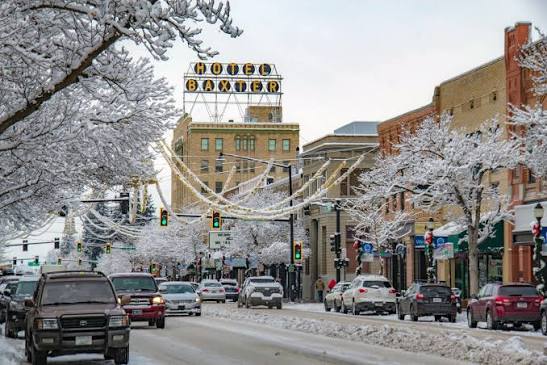
Buying a Home in Montana Before Winter: 9 Things You Should Check
Buying a home in Gallatin County involves more than evaluating the floor plan, location and purchase price.
Especially if you’re buying during the fall.
Montana winters create some additional considerations that aren’t always obvious when you’re touring homes in September or October.
A property that looks great during warmer weather may have higher heating expenses, challenging winter access or maintenance requirements that buyers haven’t considered.
None of those things necessarily makes it a bad property.
But they’re important factors in understanding what you’re buying.
Whether you’re moving to Bozeman from another state, purchasing your first home in Belgrade or looking for acreage outside town, here are nine things I recommend evaluating before purchasing a home heading into winter.
1. Understand the Heating System
Start with one of the most important components of a Montana home.
How is it heated?
Homes throughout Gallatin County use different heating systems, including natural gas furnaces, electric systems, heat pumps, radiant heat, propane and wood-burning appliances.
Each has different operating and maintenance considerations.
When evaluating a property, I want buyers to understand:
- What type of heating system is installed?
- How old is the equipment?
- When was it last serviced?
- Are maintenance records available?
- Is there supplemental heat?
- What are the approximate operating expenses?
A newer heating system doesn’t automatically mean lower expenses, and an older system doesn’t automatically need replacement.
Condition, maintenance, efficiency and the building itself all matter.
The U.S. Department of Energy recommends evaluating heating equipment alongside insulation and air sealing because these systems work together.
My recommendation: Understand the heating system before closing, particularly if you’re purchasing an older home or one with an unfamiliar heating configuration.
2. Ask About Actual Utility Expenses
One of the easiest mistakes buyers make is evaluating affordability based almost entirely on the mortgage payment.
Your mortgage isn’t your total housing expense.
Heating, electricity, water, sewer, trash service and other utilities can create meaningful differences between properties.
Consider two similarly priced homes.
One is relatively new, well insulated and connected to natural gas.
The other is larger, older and heated with propane.
Their purchase prices may be similar, but their operating expenses could be very different.
Ask whether the seller can provide historical utility information.
Ideally, review an entire year rather than relying on one summer bill.
Remember that historical expenses are only estimates of what you might spend. Household size, thermostat settings, weather, utility rates and personal habits all influence consumption.
For rural properties, also ask about propane deliveries, well-related electricity expenses and any additional utility requirements.
The objective is to understand the actual monthly cost of owning the property, not just purchasing it.
3. Evaluate Insulation and Energy Efficiency
A home’s energy performance becomes particularly important during cold weather.
Insulation, windows, doors and air sealing all influence comfort and heating requirements.
The U.S. Department of Energy identifies insulation and air sealing as important ways to reduce energy waste.
When touring a home, consider asking about:
- Attic insulation
- Crawlspace or basement insulation
- Window age and condition
- Exterior doors
- Drafts
- Previous energy improvements
- Available energy audits
An older home can still perform well if it has received appropriate upgrades.
Likewise, a newer home isn’t automatically immune to energy-efficiency problems.
If something raises concerns, consider having a qualified professional evaluate it during your inspection period.
4. Understand Snow Removal Responsibilities
This is one of the biggest lifestyle differences between certain Gallatin County properties.
Consider the difference between a condominium in Bozeman and a home on five acres outside Belgrade.
At the condominium, an association may handle some exterior maintenance and snow removal.
At the acreage property, the owner may be responsible for maintaining a long driveway.
Before purchasing, determine:
- Who removes snow from the driveway?
- Who maintains the access road?
- Is the road public or private?
- Is there a road maintenance agreement?
- Does an HOA provide snow removal?
- What areas are included?
- Will you need snow-removal equipment?
Don’t assume that because a road is accessible during summer, winter maintenance is straightforward.
For rural properties, winter access deserves particular attention.
A driveway that looks relatively simple during September may require substantial maintenance after a major snowfall.
5. Look at the Roof and Drainage
Roofs are important everywhere.
But Montana weather makes roof condition, drainage and moisture management particularly relevant.
During your inspection period, ask your inspector to evaluate the roof and accessible drainage components.
Depending on the property, concerns may include:
- Roof age and condition
- Previous leaks
- Gutters and downspouts
- Drainage away from the foundation
- Attic ventilation
- Evidence of moisture intrusion
- Areas susceptible to ice accumulation
The goal isn’t to expect a perfect roof.
It’s to understand its condition, likely maintenance requirements and any issues that warrant additional professional evaluation.
If a concern is identified, get enough information to understand the potential expense before your inspection deadline.
6. Consider Frozen Plumbing and Exterior Water Systems
Water systems deserve additional attention before winter.
Ask about the location and insulation of vulnerable plumbing, particularly in crawlspaces, garages, exterior walls and unheated areas.
For rural properties, you may also need to understand:
- Well equipment
- Pressure tanks
- Exterior hydrants
- Irrigation systems
- Outbuilding plumbing
- Seasonal water systems
If the property has irrigation, find out how the system is winterized and whether that service has already been completed.
A home with substantial landscaping or acreage may have more seasonal maintenance requirements than a typical subdivision property.
These aren’t necessarily reasons to avoid a property.
They’re reasons to understand what ownership involves.
7. Investigate Rural Property Access
Gallatin County offers a wide range of properties, including homes on acreage outside established subdivisions.
Those properties can offer privacy, space and flexibility.
But rural ownership sometimes involves additional responsibilities.
Beyond snow removal, investigate:
- Recorded access easements
- Private road maintenance agreements
- Shared driveways
- Emergency vehicle access
- Utility access
- Maintenance responsibilities
- Seasonal road conditions
A property’s legal access and its practical winter accessibility are related but separate considerations.
Confirm the legal arrangements through the appropriate documents and professionals.
For unusual or remote properties, I also recommend talking with people familiar with the area’s winter conditions.
8. Understand HOA and Community Maintenance
If you’re purchasing a condominium, townhome or property within a homeowners association, review the governing documents carefully.
Don’t assume every association provides the same services.
One HOA may handle landscaping, snow removal and certain exterior maintenance.
Another may provide relatively few services.
Understand:
- Monthly or annual dues
- Snow removal responsibilities
- Exterior maintenance obligations
- Private road maintenance
- Reserve funding
- Potential special assessments
- Rules affecting property use
Pay particular attention to where the association’s responsibilities end and yours begin.
If you’re purchasing a townhome, verify the ownership structure rather than assuming it operates like a condominium.
A clear understanding of these obligations helps prevent unexpected expenses after closing.
9. Budget for Maintenance Beyond the Mortgage
This final point ties everything together.
Homeownership comes with expenses that aren’t included in your principal and interest payment.
The Consumer Financial Protection Bureau recommends budgeting for utilities, maintenance, repairs, insurance, property taxes and applicable HOA fees when evaluating affordability.
That’s especially important when comparing properties with very different maintenance requirements.
Consider the additional expenses that may apply:
- Heating-system servicing
- Snow removal
- Landscaping
- Roof maintenance
- Driveway maintenance
- Well and septic maintenance
- Equipment purchases
- Unexpected repairs
You don’t need to predict every future expense.
But you should maintain adequate financial reserves and understand the property’s major systems.
The home you can qualify to purchase isn’t necessarily the home you will feel comfortable maintaining.
A Fall Purchase Can Actually Be Helpful
Buying during fall isn’t inherently more difficult.
In some respects, the timing can be useful.
You’re approaching the season when heating, insulation, drainage and winter access become more relevant.
That gives you an opportunity to ask targeted questions before closing.
You can also begin planning maintenance immediately rather than waiting until winter arrives.
For buyers relocating from warmer climates, this preparation is particularly important.
There is a difference between understanding that Montana receives snow and understanding the practical responsibilities associated with owning a particular Montana property.
What I Recommend Before Making an Offer
Before writing an offer on a fall property, I like to understand three things.
First: What are the property’s major ownership expenses?
That includes more than the mortgage.
Second: Are there property-specific concerns that require additional investigation?
An inspection can help identify issues, but some properties may warrant specialized evaluations.
Third: What responsibilities will transfer to the buyer?
Private roads, shared maintenance agreements, irrigation systems and HOA obligations are all worth understanding.
These questions don’t need to make the buying process complicated.
They simply help buyers make better-informed decisions.
The Bottom Line
Buying a home in Gallatin County before winter can be a good opportunity to evaluate the practical realities of ownership.
The important thing is to look beyond the listing price and appearance.
Understand the heating system.
Review utility expenses.
Investigate access and maintenance responsibilities.
Evaluate the property’s condition.
And budget for what ownership will actually require.
A home doesn’t have to be perfect to be the right purchase.
But buyers should understand what they’re taking on before closing.
If you’re considering buying in Bozeman, Belgrade, Four Corners or elsewhere in Gallatin County, our team can help you evaluate properties, identify important questions and coordinate the due-diligence process.
Our goal is to help you understand the property before you commit to owning it.
Contact Your Home Team @ Windermere Real Estate to schedule a buyer consultation.
Sources
- U.S. Department of Energy — Energy Efficiency and Home Improvements
- U.S. Department of Energy — Whole-House Weatherization
- Consumer Financial Protection Bureau — Figure Out How Much You Want to Spend
- Consumer Financial Protection Bureau — Financial Considerations of Buying a Home
- Consumer Financial Protection Bureau — Buying a House
Market data is based on publicly available information and reflects general trends. Individual property performance may vary. For a personalized market analysis, contact me directly.
Property conditions, maintenance requirements and operating expenses vary. Buyers should obtain appropriate professional inspections, review relevant property documents and independently verify costs and responsibilities before purchasing.
